Hi, I'm Maximilian
A Junior |
Experience
Junior Software Engineer
Freelance
Okt 2025 - Present
Together with a Senior Cybersecurity Engineer we are developing an application for a client. This app centralises testing, automates analysis, and suggests remediations. More details to follow…
VueJSFastAPIPen TestingKali LinuxAI/MLPostgreSQLGitDocker
Projects
About Me
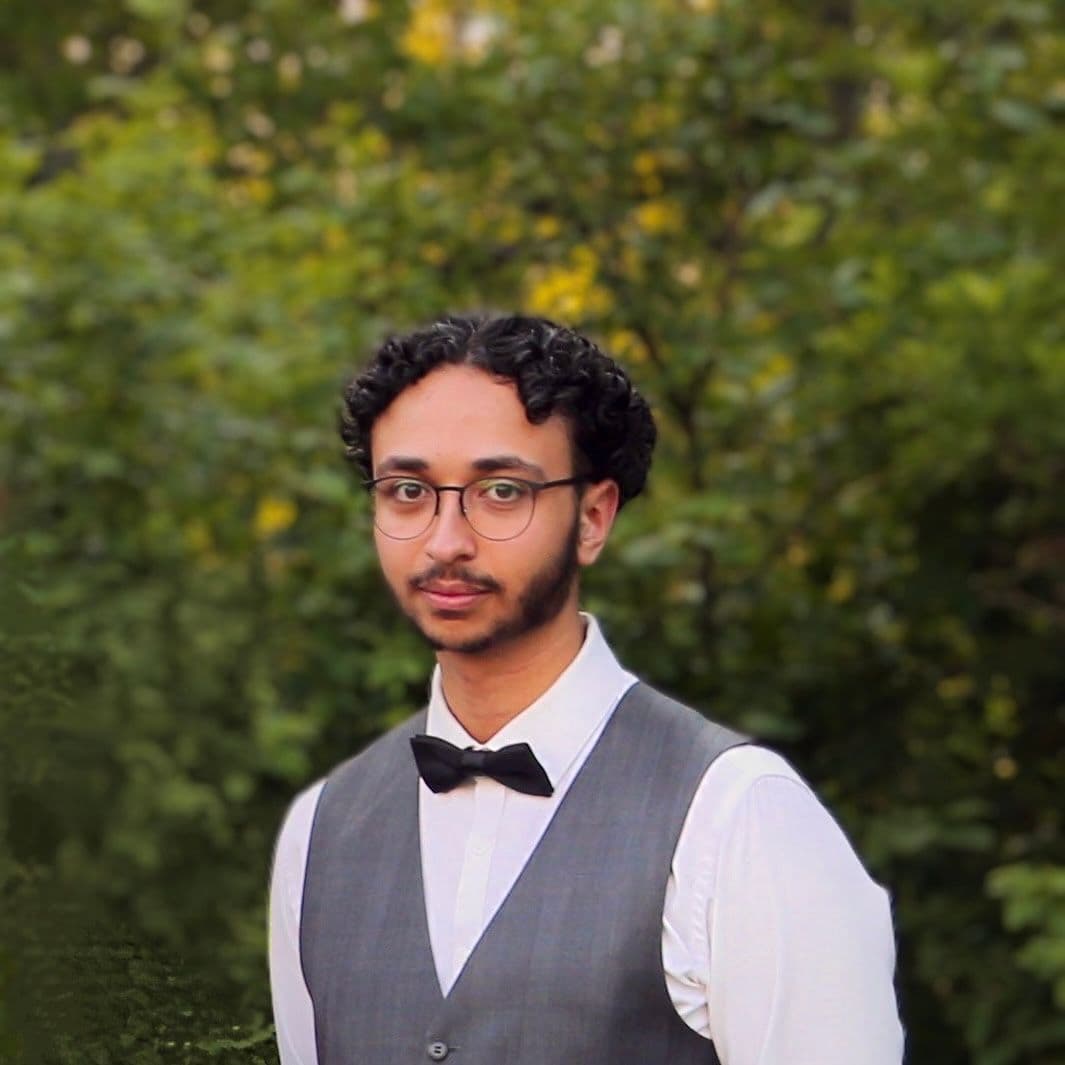
I studied Computer Engineering at KTH Royal Institute of Technology, where I earned my bachelor of science degree. Since graduating, I’ve been building on what I learned while looking for the right role. I’m genuinely interested in how technology shapes the world, and I like digging into new things just to see how they work. Outside of tech you’ll probably find me out for a run or close to a basketball court.
- Location: Stockholm, Sweden
- Email: maxi.petersson@gmail.com
- Social: GitHub | LinkedIn
Education
Bachelor of Science in Computer Engineering
KTH Royal Institute of Technology
Aug 2020 – Jun 2024
Highlighted Courses:
- Projects and Project Methods - II1302
- Computer Hardware Engineering - IS1200
- Operating Systems - ID1206
- Ethical Hacking - EN2720
- Algorithms and Data Structures - ID1021
- Networks and Communication - IK1203
- Object Oriented Design - IV1350
- Design of Global Applications - IV1201
- Interaction Programming and the Dynamic Web - DH2642
High School Diploma
Stockholm Science & Innovation School
Aug 2017 - Jun 2020
Highlighted Courses:
- Programming 1
- Computer and Network Technology
- Web Development 1
Contact Me
The information you submit is not stored by this website.